Refusal is rarely stubbornness. It's usually fear — of lost independence, of being a burden, of what accepting help means. That changes how the conversation should go.
Refusal conversations belong to the MAP stage — understanding needs and fears before proposing solutions.
You bring it up carefully. Your parent shuts it down. You try again with more evidence — the fall, the missed medication — and now it's a fight. Every attempt makes the next one harder, and meanwhile the situation you're worried about doesn't change.
Most families are having the wrong conversation. They're arguing about the solution (“you need someone in the house”) before there's any shared agreement about the need. To your parent, that sounds like a verdict, not a discussion.
“We think you need a caregiver” triggers defense of independence. Starting with specific, observable concerns — and genuine questions — keeps the conversation open.
A family delegation feels like an intervention. One trusted person, one concern, one conversation at a time works better than a united front.
Acceptance is a process, not a decision. Most seniors say no several times before saying yes to something small. Small yeses are how care actually starts.


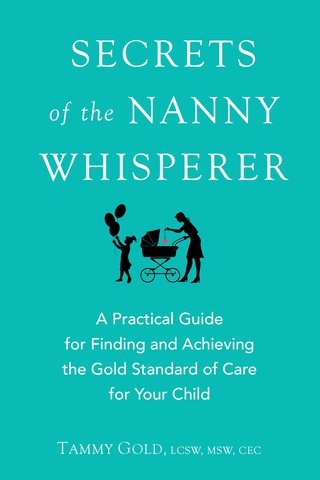
Tammy Gold, LCSW, is the author of Secrets of the Nanny Whisperer (Penguin) and the founder of the Care Map Method™. She helps families define what a parent needs, evaluate caregivers and agencies, and set up care that lasts.
For most seniors, help equals loss — of privacy, of the driver's seat, of the identity of being the parent. Acknowledging that out loud (“I know you've always handled everything yourself”) lowers the temperature more than any statistic.
“Someone a few hours a week to handle the heavy stuff” is acceptable where “a caregiver” is not. Trial framing — let's try it for a month — preserves their sense of control.
Involve your parent in choosing who, when, and what for. Care that's done with a person is accepted; care that's done to a person is fought.
There's a real line between honoring autonomy and ignoring danger. Mapping the actual risk level — not your anxiety level — tells you which side of it you're on.
Before any script works, you need to know what you're actually asking for. The Care Map Method™ maps the need first:
When you can name the specific need and the specific fear, the conversation stops being a power struggle and starts being a plan.
$9.99 · Instant digital download · Created by Tammy Gold, LCSW
Assess what your parent actually needs, understand what the refusal is protecting, and walk into the next conversation with something better than evidence: a map.
Because the help threatens something they value more than convenience — independence, privacy, identity. Refusal is usually rational from inside their experience. Working with that logic beats arguing against it.
Almost never as a first move. Group confrontations feel like interventions and harden resistance. One trusted messenger with one specific concern goes further.
Repair first, retry smaller. Acknowledge the last conversation went badly, drop the old ask, and restart with the smallest acceptable step.
When there's genuine, imminent safety risk — and that's a clinical and sometimes legal threshold, not a feeling. The guide helps you map actual risk; for cases at that line, professional guidance matters.
No — it's an educational planning tool. It can make conversations with professionals, and with your parent, dramatically more productive.

The hardest part isn't finding help — it's knowing how much is needed, who decides, and what to do when your parent says no. A Care Map call maps your parent's situation across all four domains and turns it into a sequence of steps.
One focused hour with Tammy Gold, LCSW — not a sales call.
You leave with your Care Map: what to do, in what order.
The Care Map system for your situation, included.
CARE MAP CALL · 60 MINUTES · $189
Book your Care Map call →Questions first? Text (818) 308-1358 or email info@caremapmethod.com