Months in, the crying hasn't stopped, or it started again. The question isn't whether to push through — it's which of three different problems you're actually looking at.

Adjustment. Common, temporary, and improving over time even if slowly. Distress at drop-off that settles within minutes and shrinks week to week.
Fit. The program is fine but wrong for this child — too loud, too large, too structured or not structured enough. Distress that isn't shrinking, and a child who seems depleted rather than just tired.
A program problem. Something in the care itself. A child who becomes fearful of a specific person or place, unexplained injuries, a sudden change after a staffing change, or a child who was settled and abruptly isn't.


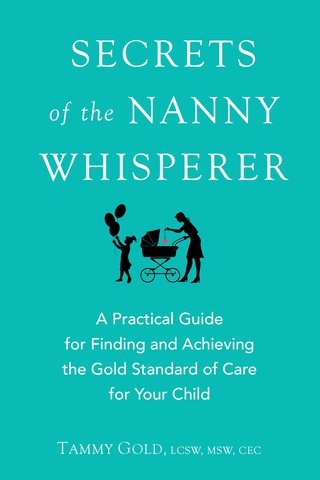
Tammy Gold, LCSW, spent years matching families with nannies before writing Secrets of the Nanny Whisperer (Penguin). Today she works beside families, and their agencies, as a neutral expert: defining the job, interviewing candidates, checking references and setting up the first 30 days.
A child who is safe but poorly fitted can move on your schedule. A child showing signs of fear, or a situation you can't get straight answers about, warrants moving now. Trust the change in your child's behavior; young children report through behavior, not words.
Telling adjustment from fit from a real problem is exactly what a Care Map call does — and Childcare Expert Access keeps support in place while you work through it.
$189
$150 / month
Questions first? Text (818) 308-1358 or email info@caremapmethod.com