The first weeks are hard for nearly every child and nearly every parent. Knowing what's normal is most of what makes it bearable.

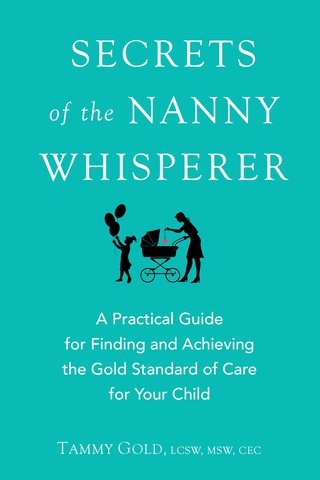
Tammy Gold, LCSW, spent years matching families with nannies before writing Secrets of the Nanny Whisperer (Penguin). Today she works beside families, and their agencies, as a neutral expert: defining the job, interviewing candidates, checking references and setting up the first 30 days.
Keep it short, warm, and identical every day. A predictable goodbye ritual — a hug, a phrase, a wave at the window — tells your child what happens next. Then leave.
Never sneak out. It feels kinder in the moment and makes clinging worse, because it teaches your child you might vanish at any time. Most children stop crying within minutes of the parent leaving; ask the teacher, and ask for a photo if it helps you.
Tears at drop-off, exhaustion, clinginess at home, some regression in sleep or toileting, and a round of illness. That's adjustment. Distress that lasts much of the day into the second month, or a child who seems newly fearful or withdrawn, is worth a conversation with the teacher.
If the first weeks aren't settling, the question is whether it's adjustment, fit, or something about the program. Those have different answers, and telling them apart is most of the work.
$189
$150 / month
Questions first? Text (818) 308-1358 or email info@caremapmethod.com