Parenting & Caregivers

Your child cried when the nanny left, and it hurt

Almost no parent says this out loud. It's one of the most common things I hear in my practice, and one of the most misread.

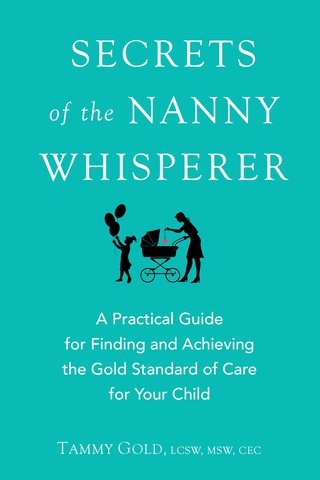
Tammy Gold, LCSWSecrets of the Nanny Whisperer by Tammy Gold, published by Penguin
By Tammy Gold, LCSW
Author of Secrets of the Nanny Whisperer (Penguin)
Tammy Gold, LCSW, MSW
Columbia University
20 years placing & training caregivers

As seen inTODAYGood Morning AmericaCBSThe New York TimesThe Wall Street JournalTIMEWatch the reel →

What it actually means

A child who forms a warm attachment to their caregiver is a child whose caregiver is doing the job well. Attachment theory is clear: children form multiple attachment relationships, and a secure bond with a caregiver doesn't compete with the bond with a parent — it adds to it.

It also tends to be situational in ways that sting more than they should. The nanny is the person present during play and routine; you're often the person present at the hardest transitions — leaving in the morning, arriving at the end of a long day, bedtime. Children save their biggest feelings for their safest person. Those meltdowns you get and the nanny doesn't are evidence of your bond, not a lack of it.

When preference is worth a closer look

Tammy Gold, LCSW, licensed clinical social workerSecrets of the Nanny Whisperer by Tammy Gold, published by Penguin
FROM THE AUTHOR OF SECRETS OF THE NANNY WHISPERER

Guidance from the therapist who wrote the Penguin book on hiring a nanny

Tammy Gold, LCSW, spent years matching families with nannies before writing Secrets of the Nanny Whisperer (Penguin). Today she works beside families, and their agencies, as a neutral expert: defining the job, interviewing candidates, checking references and setting up the first 30 days.

Book an hour with Tammy — $189 →  Press and media

FREE DOWNLOAD

The Nanny Hiring Kit

The screening call, the Gold Targeted Reference Check™, the three-part clinical interview, and a trial-day checklist — what to ask, and what to listen for.

Seven pages · from Tammy Gold, LCSW, author of Secrets of the Nanny Whisperer

Download the free kit ↓

PDF · 7 pages · no sign-up needed

What helps

Protect small pockets of predictable, undivided time — fifteen unhurried minutes matters more than a big weekend outing. Children bond through routine, not events.

Own at least one daily ritual completely: bath, bedtime story, morning walk. Something that is yours and happens the same way every time.

And don't compete. Parents sometimes respond by becoming the fun one or the lenient one. That destabilizes everything. Be the parent — consistent, present, and unbothered by who got the hug first.

Map Before You Act™

Still not sure what's driving it?

Every child's behavior has a reason, and the reason is different for every child. A Care Map call maps your child across all four domains — biological, emotional, social, environmental — so you stop guessing which advice applies to yours.

ONE-TIME

Care Map Call

$189

  • 60 minutes with Tammy Gold, LCSW
  • Your Care Map plan for next steps
  • The Care Map system for your situation
Book a Care Map call →
ONGOING · MONTHLY

Childcare Expert Access

$150 / month

  • A 45-minute call every month
  • Bring your caregiver — work it out together
  • The full Care Map download library
  • Support for as long as your child is in care
See how it works →

Questions first? Text (818) 308-1358 or email info@caremapmethod.com

More