Childcare Decisions

Nanny share: lower cost, more moving parts

A nanny share splits one caregiver between two families. Done well, it's the best value in childcare. Done casually, it collapses in three months and costs both families their care at once.

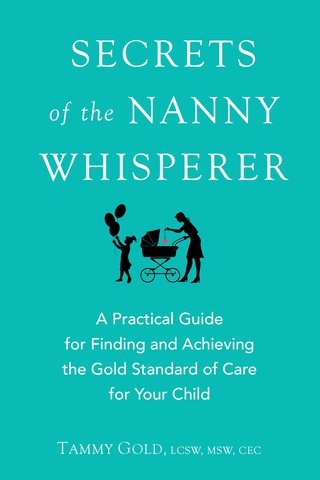
Tammy Gold, LCSWSecrets of the Nanny Whisperer by Tammy Gold, published by Penguin
By Tammy Gold, LCSW
Author of Secrets of the Nanny Whisperer (Penguin)
Tammy Gold, LCSW, MSW
Columbia University
20 years placing & training nannies

As seen inTODAYGood Morning AmericaCBSThe New York TimesThe Wall Street JournalTIMEWatch the reel →
AS FEATURED ON BABYLIST

Tammy was the expert Babylist turned to on nanny shares — on aligning two families’ needs and expectations before they hire and manage a nanny together. Read the Babylist guide →

How it works

Two families employ one nanny who cares for both sets of children at the same time, usually alternating homes or settling in one. Each family typically pays somewhat more than half a solo nanny's rate — the nanny earns more than a single-family job, both families pay less, and the children get a built-in peer.

The complexity isn't the care. It's that you now have a second family as a partner in a household arrangement.

Tammy Gold, LCSW, licensed clinical social workerSecrets of the Nanny Whisperer by Tammy Gold, published by Penguin
FROM THE AUTHOR OF SECRETS OF THE NANNY WHISPERER

Guidance from the therapist who wrote the Penguin book on hiring a nanny

Tammy Gold, LCSW, spent years matching families with nannies before writing Secrets of the Nanny Whisperer (Penguin). Today she works beside families, and their agencies, as a neutral expert: defining the job, interviewing candidates, checking references and setting up the first 30 days.

Book an hour with Tammy — $189 →  Press and media

Choosing the other family — the part that decides everything

FREE DOWNLOAD

The Nanny Hiring Kit

The screening call, the Gold Targeted Reference Check™, the three-part clinical interview, and a trial-day checklist — what to ask, and what to listen for.

Seven pages · from Tammy Gold, LCSW, author of Secrets of the Nanny Whisperer

Download the free kit ↓

PDF · 7 pages · no sign-up needed

What to write down before it starts

Both families and the nanny need one agreement covering pay split, hours, whose home when, holidays and vacation (including what happens when one family travels and the other doesn't), illness policy, and how either family exits.

The exit clause matters most and gets written least. If one family moves or their situation changes, the remaining family suddenly owes a full salary or loses their nanny. Decide the notice period and what happens next while everyone is still friendly.

What makes shares fail

Not the nanny — the families. One family consistently late, a different tolerance for illness, uneven contribution to supplies, resentment about whose home absorbs the wear. Small imbalances compound because nobody wants to raise them.

A short scheduled check-in between the families every month or two solves most of it, for the same reason it works with a nanny: problems raised small stay small.

Map Before You Act™

Still not sure what's driving it?

Every child's behavior has a reason, and the reason is different for every child. A Care Map call maps your child across all four domains — biological, emotional, social, environmental — so you stop guessing which advice applies to yours.

ONE-TIME

Care Map Call

$189

  • 60 minutes with Tammy Gold, LCSW
  • Your Care Map plan for next steps
  • The Care Map system for your situation
Book a Care Map call →
ONGOING · MONTHLY

Childcare Expert Access

$150 / month

  • A 45-minute call every month
  • Bring your caregiver — work it out together
  • The full Care Map download library
  • Support for as long as your child is in care
See how it works →

Questions first? Text (818) 308-1358 or email info@caremapmethod.com

More