Most families interview for warmth and availability, then spend two years managing the consequences. The interview is where the next two years get decided — and most of it happens before you ever meet.

Nearly every family does this backwards. They interview, fall for someone, then call references hoping for confirmation. Reverse it. What a reference tells you should shape the questions you ask in the room.
And ask targeted questions, not general ones. “Was she good?” gets you “she was great.” These get you the truth:


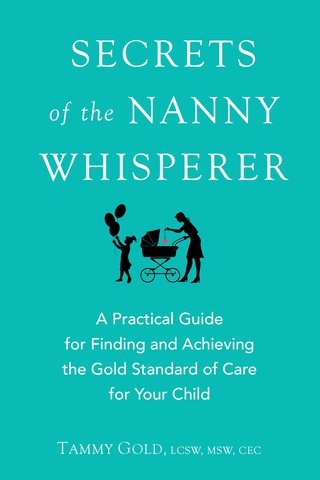
Tammy Gold, LCSW, spent years matching families with nannies before writing Secrets of the Nanny Whisperer (Penguin). Today she works beside families, and their agencies, as a neutral expert: defining the job, interviewing candidates, checking references and setting up the first 30 days.
Before a full interview, a short call narrows 15 candidates to 5. Ask about their most recent position, what age they work best with and why, a challenging moment and how they handled it, and what they'd do with a toddler mid-meltdown.
Green lights: specific, detailed answers; genuine warmth about a particular child; unprompted mention of developmental or emotional needs. Red flags: vague answers, focus only on tasks and logistics, and no questions about your children.
The screening call, the Gold Targeted Reference Check™, the three-part clinical interview, and a trial-day checklist — what to ask, and what to listen for.
Seven pages · from Tammy Gold, LCSW, author of Secrets of the Nanny Whisperer
PDF · 7 pages · no sign-up needed
Values and identity. “Tell me about the child you felt most connected to and what it was about that relationship.” “What does a child need from a caregiver beyond physical care?” “Tell me about a time you handled something wrong — what did you learn?” Self-awareness is the quality that predicts everything else.
Scenarios. “My child is having a full tantrum — walk me through exactly what you do.” “My child won't let me leave and I have a meeting.” “My child falls and is bleeding and I'm unreachable.” “My child tells you something and asks you not to tell me.” You're listening for calm, specific, child-centered answers — not perfect ones.
Practical. Screens, what they do when they disagree with your instruction, their backup plan when sick, and why they left previous positions.
An interview shows how someone presents. A trial shows how they care for your child. The gap between days is deliberate: review what you saw the first time and watch specifically for it the second.
Watch across all four domains: does warmth get initiated or waited for; are physical routines handled proactively; do they engage at your child's developmental level; do they respect your routines without reminders.
Every child's behavior has a reason, and the reason is different for every child. A Care Map call maps your child across all four domains — biological, emotional, social, environmental — so you stop guessing which advice applies to yours.
$189
$150 / month
Questions first? Text (818) 308-1358 or email info@caremapmethod.com