Screens when you said no screens. Snacks you didn't approve. A discipline style that isn't yours. The instinct is to send another long text. That almost never works, and here's what does.

Most caregivers aren't ignoring you. They're operating from their own training and instincts in the gaps where your instructions were general rather than specific. “Limit screens” means something different to everyone. “No screens before 4pm, and then only these two shows” means one thing.
The second cause is that nobody built a channel for raising problems. When there's no routine review, small deviations accumulate silently until a parent finally explodes over something minor — and the nanny experiences it as an ambush.
Name the specific behavior, make it collaborative, and end with an action. Not “I feel like the rules aren't being followed,” but:
“I want to address something before it becomes bigger. I've noticed [specific observation]. I want to understand your side, and then figure out together what would help.”
Ask before you instruct. Sometimes the answer reframes everything — the screens happened because your child was melting down and nothing else worked, which is a different problem with a different solution.


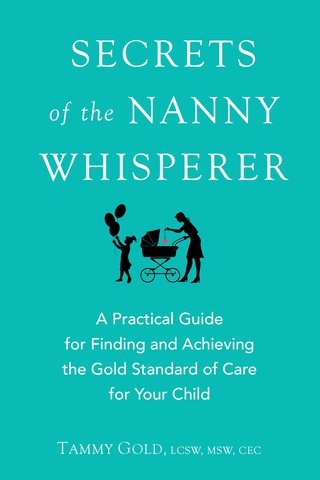
Tammy Gold, LCSW, spent years matching families with nannies before writing Secrets of the Nanny Whisperer (Penguin). Today she works beside families, and their agencies, as a neutral expert: defining the job, interviewing candidates, checking references and setting up the first 30 days.
The screening call, the Gold Targeted Reference Check™, the three-part clinical interview, and a trial-day checklist — what to ask, and what to listen for.
Seven pages · from Tammy Gold, LCSW, author of Secrets of the Nanny Whisperer
PDF · 7 pages · no sign-up needed
Some gaps are values gaps, not communication gaps. A caregiver who believes children need to cry it out, or who thinks your approach is spoiling your child, will keep drifting no matter how clear the instructions are. That's not a bad person — it's a bad match, and no amount of conversation resolves it.
The tell is repetition after a clear, specific conversation. One drift is a misunderstanding. The same drift after an explicit agreement is a mismatch.
Every child's behavior has a reason, and the reason is different for every child. A Care Map call maps your child across all four domains — biological, emotional, social, environmental — so you stop guessing which advice applies to yours.
$189
$150 / month
Questions first? Text (818) 308-1358 or email info@caremapmethod.com