Infant Care · 0–12 Months

How much should a newborn eat, and how often?

Feeding is the question new parents ask most, and the one where conflicting advice does the most damage. What matters isn't hitting a number — it's the pattern.

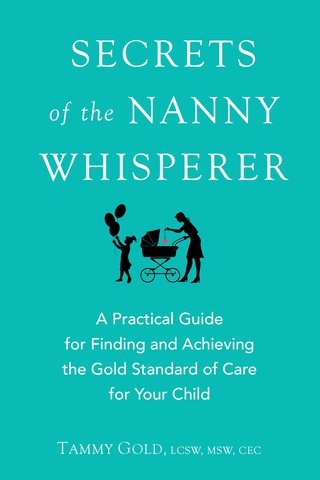
Tammy Gold, LCSWSecrets of the Nanny Whisperer by Tammy Gold, published by Penguin
By Tammy Gold, LCSW
Author of Secrets of the Nanny Whisperer (Penguin)
Tammy Gold, LCSW, MSW
Columbia University
20 years in family care

As seen inTODAYGood Morning AmericaCBSThe New York TimesThe Wall Street JournalTIMEWatch the reel →

What a normal rhythm looks like

Newborns typically feed eight to twelve times in twenty-four hours — roughly every two to three hours, counted from the start of one feed to the start of the next, not from the end. That spacing stretches gradually over the first months as stomach capacity grows.

Cluster feeding — several feeds packed close together, often in the evening — is normal and frequently mistaken for low supply or a hungry, unsatisfied baby. It usually isn't either.

How to know they're getting enough

Tammy Gold, LCSW, licensed clinical social workerSecrets of the Nanny Whisperer by Tammy Gold, published by Penguin
FROM THE AUTHOR OF SECRETS OF THE NANNY WHISPERER

Guidance from the therapist who wrote the Penguin book on hiring a nanny

Tammy Gold, LCSW, spent years matching families with nannies before writing Secrets of the Nanny Whisperer (Penguin). Today she works beside families, and their agencies, as a neutral expert: defining the job, interviewing candidates, checking references and setting up the first 30 days.

Book an hour with Tammy — $189 →  Press and media

Where parents get stuck

Two traps: rigid clock-feeding that ignores hunger cues, and constant second-guessing that turns every feed into an anxious event. Babies feed better with a calm adult, and calm comes from knowing the pattern rather than the number.

Bring feeding questions to your pediatrician or a lactation consultant — that's their expertise. What I work on with families is the part around it: the anxiety, the conflicting advice from relatives, and getting every caregiver feeding the same way.

Watch

WATCH · HOWCAST

How to Set a Baby Feeding Schedule

Tammy filmed this segment as the on-camera parenting expert for Howcast's newborn care series.

Watch on Howcast →

Get the full system

DIGITAL DOWNLOAD

Infant Care Map System™

The complete therapist-built system for the first year: feeding and sleep frameworks, soothing scripts, daily rhythm builders, caregiver handoff sheets, and the milestone tracking that tells you what’s normal and what isn’t.

Get the system →
Map Before You Act™

Still not sure what's driving it?

Every child's behavior has a reason, and the reason is different for every child. A Care Map call maps your child across all four domains — biological, emotional, social, environmental — so you stop guessing which advice applies to yours.

60 MINUTES

One focused hour with Tammy Gold, LCSW — not a sales call.

WRITTEN PLAN

You leave with your Care Map: what to do, in what order.

YOUR SYSTEM

The Care Map system for your situation, included.

CARE MAP CALL · 60 MINUTES · $189

Book your Care Map call →

Questions first? Text (818) 308-1358 or email info@caremapmethod.com

Need more than a guide?

Every Care Map system turns a stressful stage into a step-by-step plan built by a therapist.

Browse the Care Map library

More