Plenty of families want one person to care for the children and keep the house running. It can work, especially when children are in school part of the day. It goes wrong when the housework quietly takes over, and the children get less attention than you think.

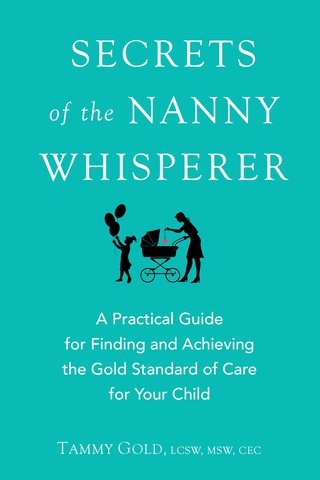
Tammy Gold, LCSW, spent years matching families with nannies before writing Secrets of the Nanny Whisperer (Penguin). Today she works beside families, and their agencies, as a neutral expert: defining the job, interviewing candidates, checking references and setting up the first 30 days.
Agree, in writing, on what happens when there isn’t time for everything: the children’s needs first, then a short list of daily household tasks, then the weekly ones. Name the tasks. “Light housekeeping” means something different to everyone.
A combined role usually pays more than childcare alone. In some states, the mix of duties also affects which overtime rules apply. In California, for example, a nanny who spends a significant share of her time on housework may not count as a “personal attendant,” which changes the overtime calculation.
Pay, tax and labor rules vary by state and city. This guide explains common practice; a household payroll provider, accountant or your state labor department can confirm what applies to you.
Child-related tasks are standard. Anything beyond that, like family laundry, cleaning or cooking for adults, is a separate expectation to agree on and pay for.
If you have young children or a large home, often yes. A few hours of cleaning help can protect the quality of childcare.
Have the conversation now, not after she resigns. Revisit the duties and the pay together. See raises and annual reviews.
Get the duties, priorities and pay right before you hire.
$189
Screening call, reference questions, clinical interview, and trial-day checklist.
Download free ↓Questions first? Text (818) 308-1358 · info@caremapmethod.com
Tammy is not a placement agency and has no affiliation with, or financial interest in, any agency, daycare or payroll service. She provides independent expert guidance; decisions remain your family’s. Legal, tax and licensing questions belong with the appropriate professional or state agency.